Why Your WhatsApp Number Keeps Getting Banned After Using Bulk Sender Software

Why Your WhatsApp Number Keeps Getting Banned After Using Bulk WhatsApp Sender Software
Imagine the convenience of reaching thousands of customers instantly with a single click using bulk WhatsApp sender software. It sounds like a marketer’s dream come true. However, if your WhatsApp number is repeatedly getting banned, you may be wondering why this effective marketing tool backfires so badly. The truth is that WhatsApp strictly prohibits the misuse of its platform for spammy mass messaging.
WhatsApp works hard to protect its users from unwanted messages and spam. It swiftly bans numbers that use unauthorized bulk messaging tools. Many Malaysian SMEs may not realize that employing bulk WhatsApp sender software without following WhatsApp’s guidelines can lead to immediate bans, cutting off their direct connection to customers. Understanding these reasons can help you avoid losing access to your key communication channel.
Why Do WhatsApp Numbers Get Banned When Using Bulk WhatsApp Sender Software?
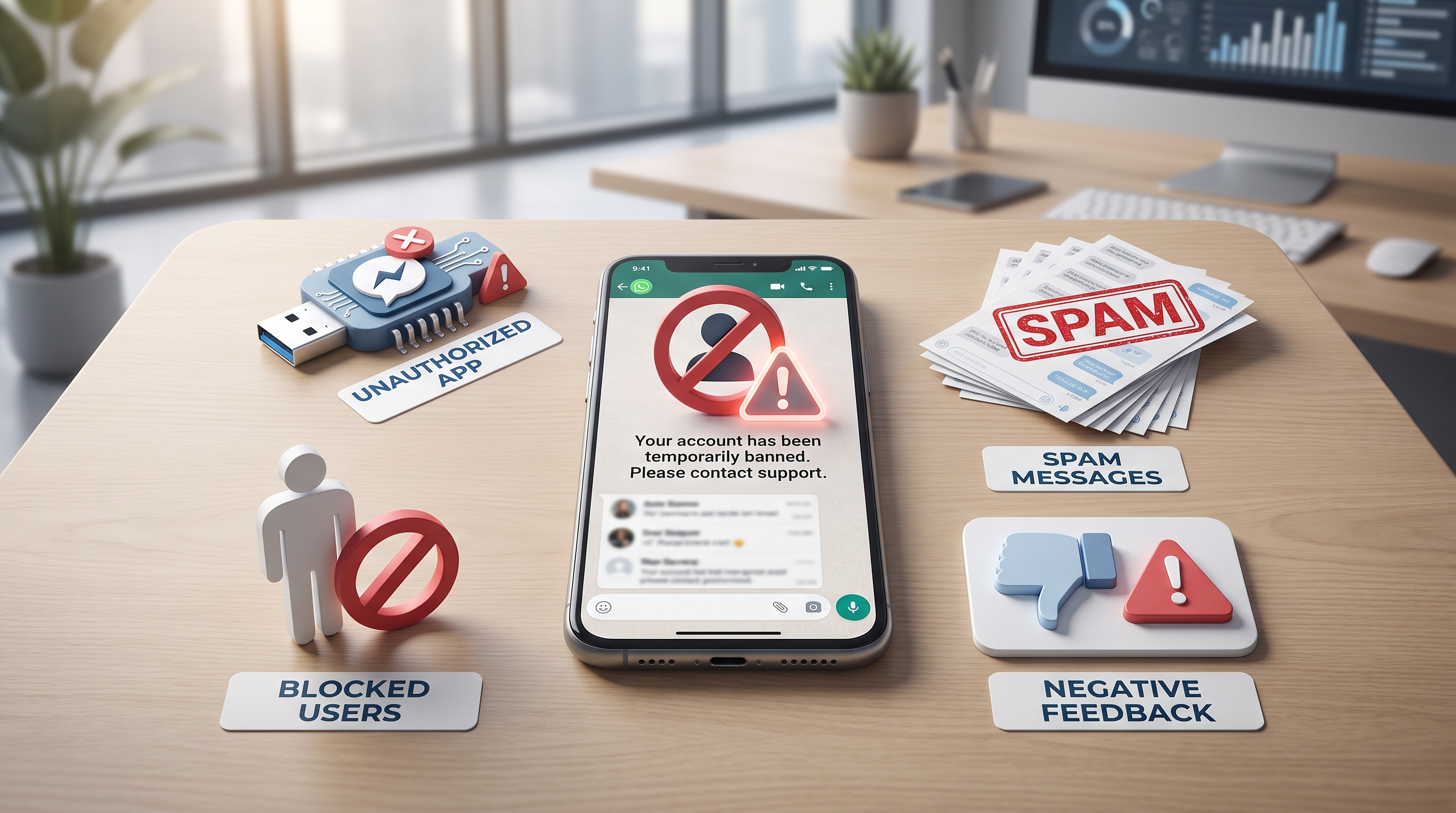
Think of WhatsApp as a vigilant gatekeeper who prevents unauthorized access to private conversations. When you use improper bulk WhatsApp sender software, it triggers WhatsApp’s security systems to ban your number. Here are the main reasons:
- Use of unverified or unauthorized tools: Utilizing apps outside of WhatsApp’s official Business API is like showing a fake credential. WhatsApp clearly separates approved business accounts from unauthorized users.
- Sending a large volume of unsolicited messages: Broadcasting promotional content to hundreds of recipients who have not requested it is considered spam, which WhatsApp aggressively blocks.
- Lack of recipient consent or opt-in: Messaging people who have not explicitly agreed to receive your messages leads to complaints and rapid suspension.
- Repeated blocks and negative feedback: If many users block your number or report your messages, WhatsApp’s algorithms take strict action.
- Poorly crafted message content or formatting: Messages that appear overly aggressive or spammy increase the risk of getting banned.
In short, avoid behaving like an intrusive telemarketer knocking on digital doors uninvited.
The Impact of WhatsApp Number Bans on Malaysian SMEs
For Malaysian SMEs, losing access to WhatsApp is like losing a vital communication lifeline. It disrupts business operations and damages customer relationships. Consider these consequences:
- Immediate communication blackout: Customers can no longer contact you, stalling orders, appointments, or inquiries.
- Waste of marketing time and resources: Campaign efforts and investments become ineffective without a communication channel.
- Reputation damage and loss of trust: Sudden disappearance on WhatsApp may make customers think your business is unreliable or closed.
- Lengthy and costly recovery process: Restoring a banned WhatsApp number can be complicated, slow, and sometimes impossible.
If your WhatsApp number is banned, it is crucial to rethink how you use bulk messaging.
How to Avoid Getting Your WhatsApp Number Banned When Doing Broadcasts
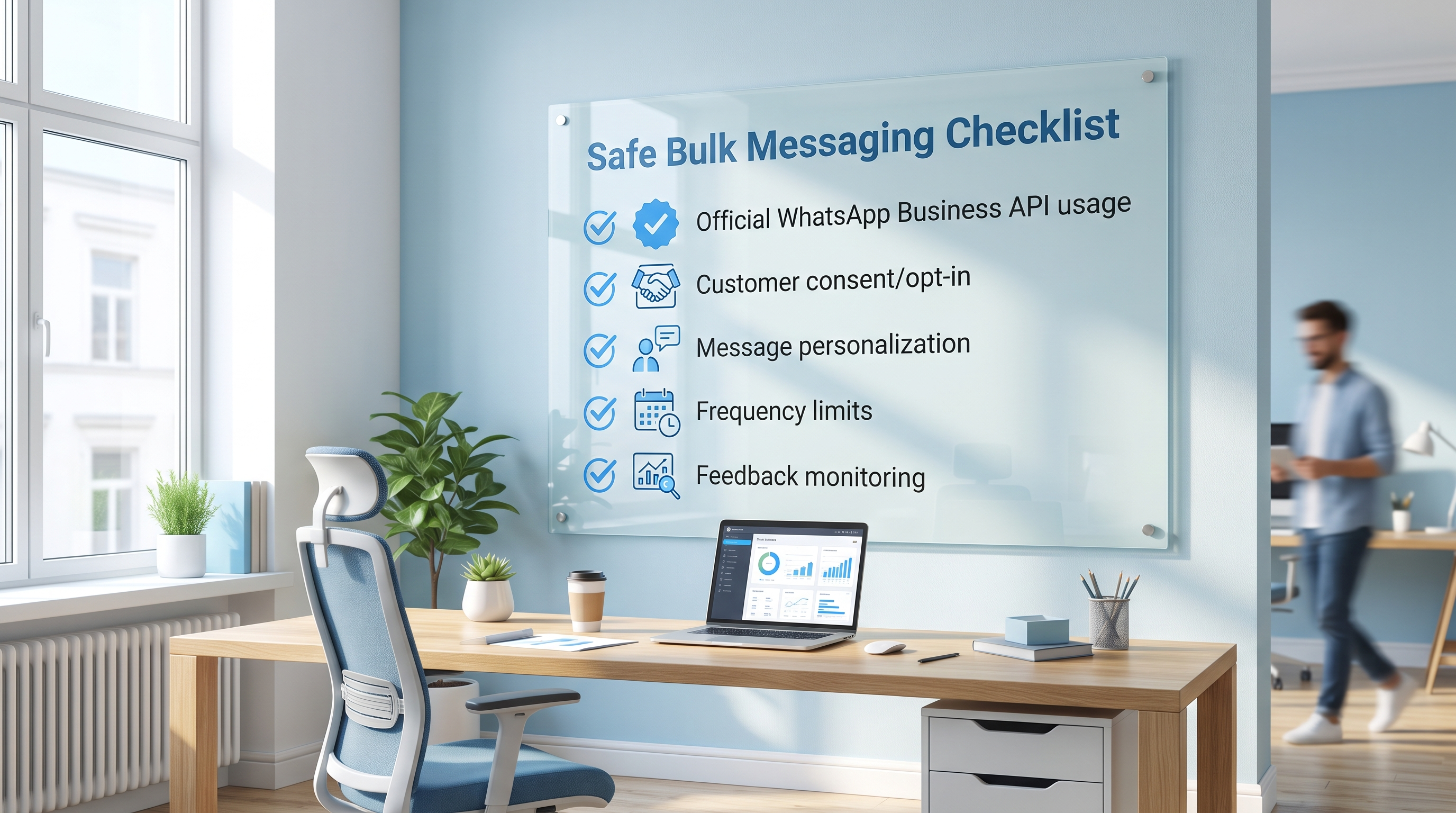
Avoiding bans requires following best practices and using authorized solutions. Here are five key recommendations:
1. Use Official WhatsApp Business API-Based Solutions
Leverage the official WhatsApp Business API, which permits verified businesses to send bulk messages safely. Trusted platforms like NinjaBot operate within these rules, providing features such as:
- Automated lead qualification and 24/7 personalized responses
- Targeted promotions sent only to opted-in users
- Convenient appointment bookings and payment links within WhatsApp
2. Obtain Explicit Customer Consent
Always secure clear permission before sending messages, whether through website sign-ups, WhatsApp opt-in requests, or other consent methods. This ensures your messages are welcome and compliant.
3. Personalize and Segment Your Broadcast Lists
Tailor your messages according to customer interests and past purchases. Segmenting lists helps increase engagement and reduces the chance of recipients flagging messages as spam.
4. Limit Broadcast Frequency and Volume
Send messages at reasonable intervals rather than blasting your entire list all at once. Prioritize quality over quantity to maintain customer trust.
5. Monitor Customer Feedback and Respect Opt-Outs
Actively track complaints, blocks, and responses. Honor any opt-out requests immediately to preserve goodwill and keep your number in good standing with WhatsApp.
Why Hiring More Staff or Using Unofficial Tools Isn’t the Solution
Hiring additional staff or relying on unofficial bulk WhatsApp sender software is not an effective strategy. More personnel cannot guarantee consistent, quick replies or eliminate the risk of human error. Unofficial tools often violate WhatsApp’s policies, increasing the chances of your number being banned.
Official automation platforms combine CRM, messaging, and multi-channel capabilities, allowing SMEs to manage leads, bookings, and payments seamlessly while protecting their WhatsApp number from bans. This approach provides a smarter, safer way to scale communication.
Conclusion Safer Bulk Messaging Means Smarter Automation
Your WhatsApp number is a vital business asset. Using unreliable bulk WhatsApp sender software may promise rapid outreach but often results in bans and lost customer connections. Malaysian SMEs should adopt official WhatsApp Business API-powered automation tools, like NinjaBot, to send bulk messages responsibly, qualify leads efficiently, and keep conversations flowing smoothly.
Remember, the goal is not to broadcast the loudest message but to engage your audience thoughtfully. Following WhatsApp’s guidelines helps you earn customer trust and grow your business sustainably. Embrace smarter automation and safeguard your WhatsApp presence today!