Why WhatsApp Kicks You Out for Messaging Too Many Customers at Once
Why WhatsApp Kicks You Out for Messaging Too Many Customers at Once
Ever attempted to send numerous WhatsApp messages simultaneously and felt like you triggered a strict digital guardian? The truth is, WhatsApp is not a fan of mass messaging without caution. When you message too many customers too quickly, it resembles causing a disturbance in a quiet library—WhatsApp will remove you before you realize you’ve been flagged.
So, why such stringent control? WhatsApp prioritizes respectful communication and aims to prevent its platform from becoming flooded with spam. Violating these rules puts your business number at risk of being blocked or banned rapidly.
Here is what you need to know about WhatsApp’s strict anti-spam measures, its impact on Malaysian SMEs, and how you can avoid restrictions while effectively connecting with your audience.
Why WhatsApp Restricts Bulk Messaging
WhatsApp is not a free-for-all messaging service; it operates like a welcoming café where polite conversation is key. The main reasons WhatsApp limits bulk messaging include:
- Spam prevention: Imagine your chat filled with constant unwanted advertisements. WhatsApp proactively blocks such activity.
- Privacy protection: Sending unsolicited marketing messages is not allowed. WhatsApp requires you to have explicit consent before messaging customers.
- Message quality control: Automated systems monitor message patterns closely. Sending the same text en masse from your number triggers spam alerts.
Sending hundreds of identical messages through a normal WhatsApp Business number or unreliable third-party tools will flag your account, leading to warnings, temporary suspensions, or permanent bans.
The Impact on Malaysian SMEs
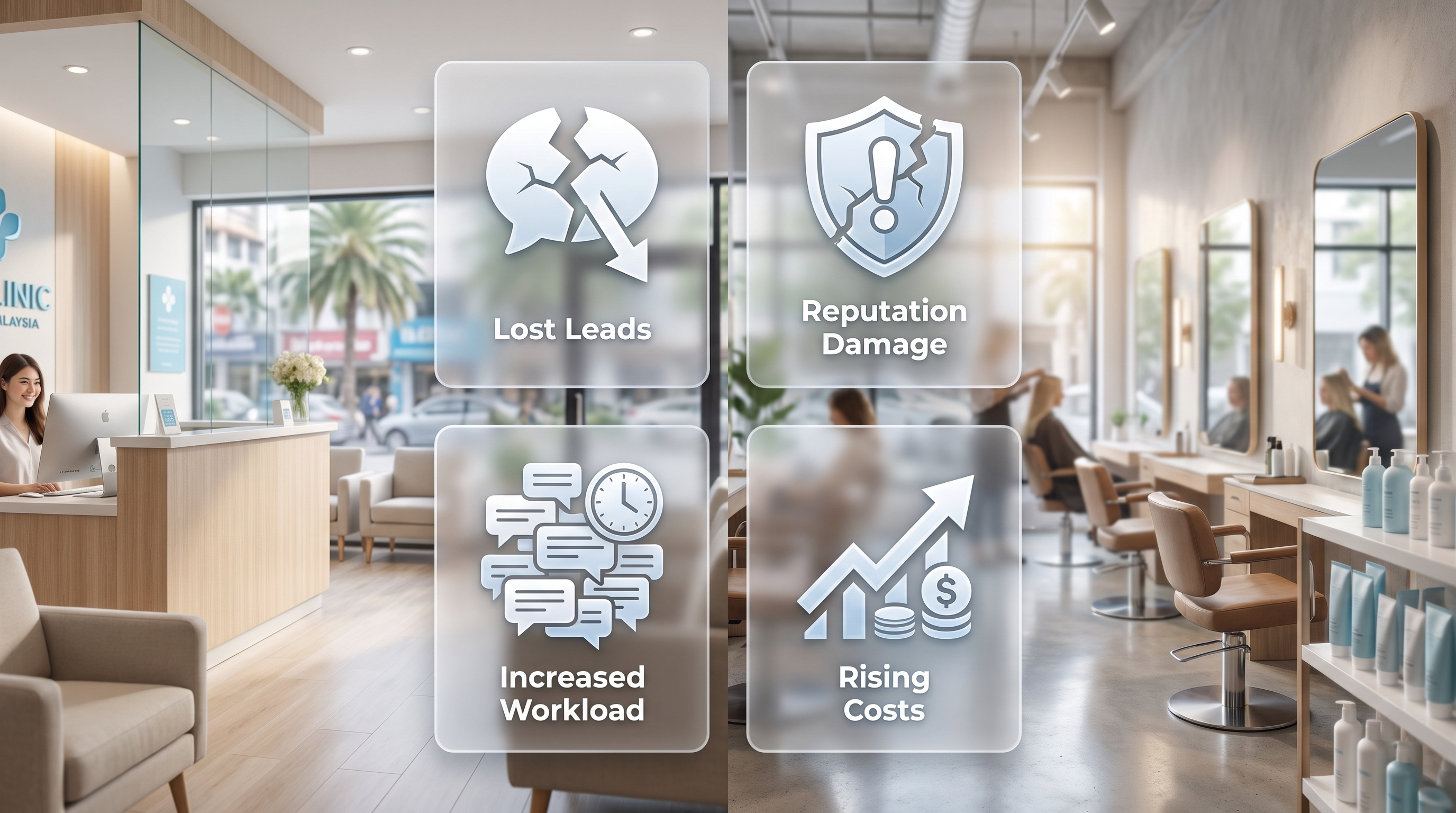
Malaysian SMEs heavily rely on WhatsApp due to its affordability and widespread use. From clinics sending reminders to salons booking appointments, WhatsApp is indispensable. However, reckless bulk messaging can get your number restricted, causing serious setbacks.
This results in:
- Lost leads: Customers block numbers that spam them, shutting down valuable communication.
- Reputation damage: Irritated recipients may report your number, risking permanent bans.
- Manual workload: Sending messages individually is time-consuming and inefficient.
- Increased costs: Employing additional staff to handle messaging without automation can be expensive.
As your business expands, manually sending messages becomes unsustainable and increases the risk of being banned.
How WhatsApp’s Official Bulk Messaging Works Differently
Think of the WhatsApp Business API as an official permission slip for bulk messaging. Unlike unofficial tools, the API adheres to strict rules:
- Session messages: You can reply to customers who contact you within a 24-hour window, ensuring conversations are timely and relevant.
- Template messages: Pre-approved message formats that you can send outside the session window, such as appointment reminders or promotional updates.
WhatsApp enforces:
- Opt-in compliance: No messaging without explicit customer consent.
- Content review: All templates need WhatsApp approval.
- Rate limits: Messages are sent gradually to prevent flooding.
Misuse of this API can still lead to penalties, but following these guidelines keeps your business safe.
Why Simple Bulk SMS Software is Not Enough for WhatsApp
Standard bulk SMS software may allow mass texting, but WhatsApp requires more sophisticated solutions. Uploading large contact lists and sending uniform WhatsApp messages from your phone invites penalties.
Challenges include:
- High risk of bans.
- Lack of tracking customer permissions.
- Missed messages and poor follow-up management.
To leverage WhatsApp effectively, utilize tools designed specifically for WhatsApp’s unique requirements rather than generic SMS blasters.
How to Avoid Getting Banned When Messaging Many Customers
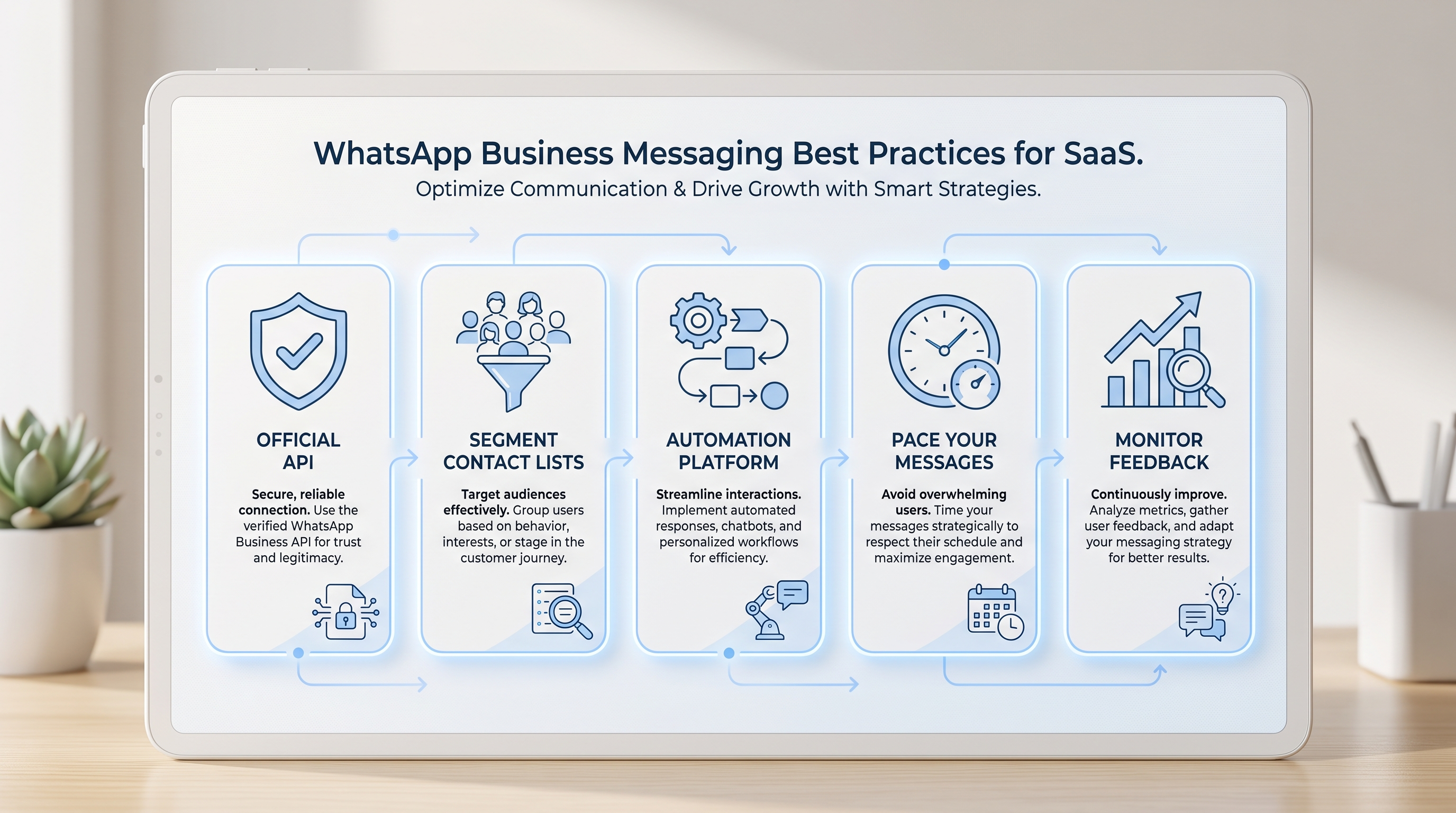
Use Official WhatsApp Business API
Complying with WhatsApp’s terms by using the API allows you to send approved templates and reply to customers legitimately.
Qualify and Segment Your Contact Lists
Only message those who have opted in. Segment your lists according to interests or purchasing behavior to maintain relevance.
Automate with an All-In-One WhatsApp Automation Platform
Platforms like NinjaBot offer:
- AI-powered responses that qualify leads efficiently.
- Timed follow-ups that avoid overwhelming customers.
- In-chat booking and payment options for convenience.
- Multi-channel outreach across WhatsApp, Messenger, and Instagram.
This ensures communication remains personalized and spam-free.
Respect Message Frequency and Content Policies
Avoid overwhelming customers with repetitive messages. Diversify your content and pace your outreach appropriately.
Monitor Responses and Feedback
Track who engages with your messages and who does not. Adapt your approach to maintain effective two-way communication.
Why SMEs Benefit from Using NinjaBot for Bulk WhatsApp Messaging
NinjaBot serves as a dependable partner to prevent WhatsApp bans and streamline messaging for Malaysian SMEs:
- Automated lead capture ensures conversations are with interested customers only.
- Smooth and natural follow-ups prevent message fatigue.
- Collaborative team inbox keeps everyone coordinated.
- Appointment scheduling and payments happen seamlessly within chat.
- Multi-channel capabilities expand your reach without complexity.
With NinjaBot, your messaging is strategic and engaging, not intrusive.
Conclusion Bulk Messaging on WhatsApp Requires Careful Strategy
Sending hundreds of WhatsApp messages without a proper plan is risky and can lead to bans. WhatsApp’s rules protect users from spam and foster quality communication. For Malaysian SMEs, the key is to message thoughtfully using official tools, qualified leads, and smart automation.
By choosing platforms like NinjaBot built to meet WhatsApp’s standards, bulk messaging transforms from a potential hazard into a powerful business advantage without the fear of getting banned.